

Saudi Arabia’s Public Warning… When Messages Shifted from Analysis to State Policy

The statements made today by Saudi Foreign Minister Prince Faisal bin Farhan were neither routine diplomatic remarks nor an attempt to ease tensions. Instead, they represented a clear political notification, signaling that previous behind-the-scenes warnings have now become an official state position.
Riyadh spoke with unprecedented clarity: relations with the United Arab Emirates remain important, but they are strictly bound by one framework only — the Gulf Cooperation Council.
Any partnership or security coordination outside this framework is now viewed as a direct threat to Saudi and Gulf national security.
The core message was unmistakable:
Abu Dhabi is not an unconditional partner — it is a conditional one.
Yemen: A Test of Credibility, Not the End of Dispute
For the first time, Saudi Arabia officially acknowledged that its disagreement with the UAE over Yemen has not been resolved.
The Saudi position confirmed that Emirati withdrawal has not been fully reflected on the ground, with militias still active and certain leadership structures continuing to operate from abroad.
The most significant statement was:
“If the UAE commits to a full withdrawal and Saudi Arabia assumes responsibility, this would become the cornerstone of a stable relationship.”
This wording signals not reconciliation, but a trial phase — the beginning of rebuilding trust, not its restoration.
In essence:
Yemen is not the conclusion of the dispute,
but the first chapter of a broader strategic file.
What Was Not Said Was Even More Serious
Beyond Yemen, the Saudi message implicitly dismantled an entire regional approach:
-
No encirclement of Saudi Arabia through Yemen
-
No destabilizing influence in Sudan
-
No uncontrolled presence in Somalia and the Red Sea
-
No security partnerships with Israel that undermine Arab strategic depth
-
No use of militias as foreign policy instruments
The message was blunt:
Either operate within the regional system — or face isolation outside it.
Conclusion
Saudi Arabia is now drawing firm red lines:
its security is not negotiable,
its policy is not shaped by temporary alliances,
and it will not tolerate partners who undermine stability and later seek negotiation.
The ball is now in Abu Dhabi’s court —
not through statements, but actions,
not through declarations, but genuine withdrawal.
The rules of the game have changed.
Those who fail to understand them today
will understand them tomorrow — from a position of loss, not influence.
Also read
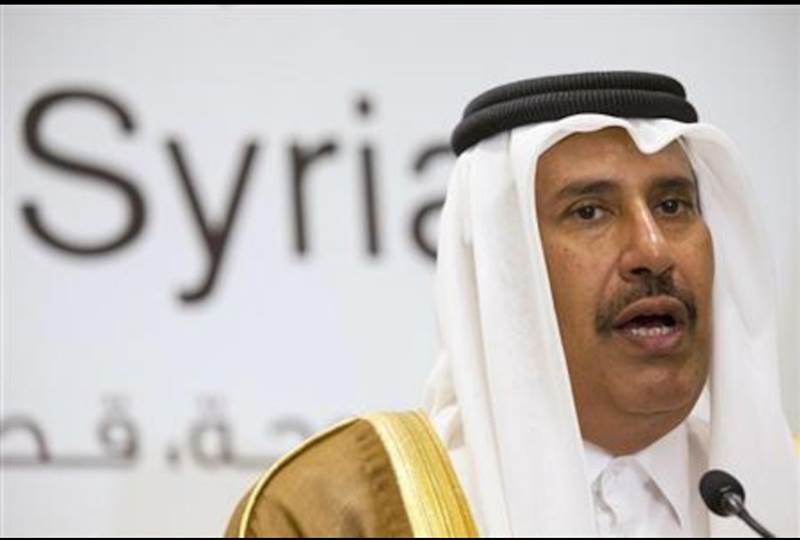
Former Qatari Prime Minister and Foreign Minister Sheikh Hamad bin Jassim Al Thani issued a series of stark warnings after Yemen’s Houthi militias announced their entry into the wa...
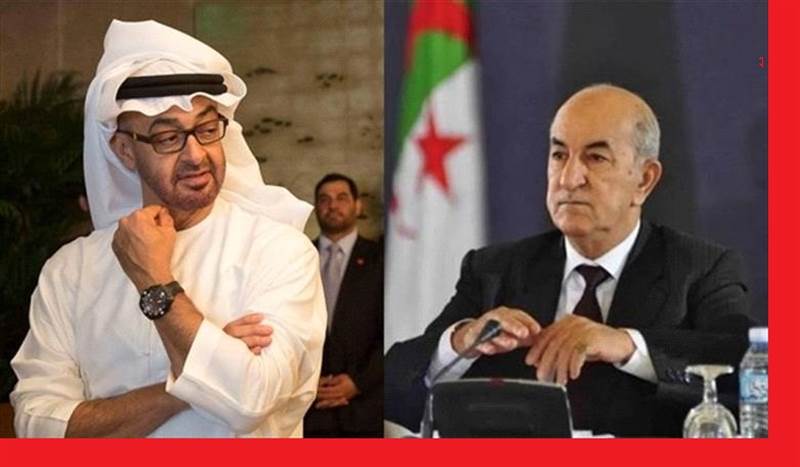
In a move reflecting rising diplomatic tensions, Algerian authorities announced on Saturday the initiation of procedures to cancel the air services agreement with the United Arab E...









Comments